
How Music Helps You Come Home to Yourself
For so many neurodiverse, queer adults, music isn’t just background noise. It’s a lifeline. A place where you don’t have to mask, shrink, or translate yourself. A place where you can breathe a little easier, settle your shoulders, and just exist.
Music has a way of holding you when nothing else can.
It meets you at your emotional frequency.
It speaks the language your body understands even when your mind is too overwhelmed to find words.
In a world that feels loud, demanding, or confusing, music can feel like home.

The Moments Music Has Quietly Supported You
Even if you didn’t notice it at the time, music has been there during the hardest chapters of your life.
Songs That Hold You When You Feel Alone
There are songs that make you feel less invisible, as if someone finally understands your inner world.
The ones you play late at night.
The ones that feel like someone is sitting beside you.
The ones that don’t judge—only witness.
Melodies That Calm Your Body When You’re Overstimulated
Sometimes you turn on a familiar song and your breath deepens without you even thinking about it.
Your chest softens.
Your shoulders drop.
Your mind slows down.
Music creates order in chaos.
Lyrics That Say What You Can’t Put Into Words
When you’ve spent years explaining yourself—or masking yourself—lyrics can feel like a relief.
They say the quiet thing out loud so you don’t have to.
Why Neurodiverse, Queer Adults Connect So Deeply With Music
Music often feels like home because, unlike people, music doesn’t require anything from them.
Sensory Sensitivity and Emotional Depth
Music reflects the intensity of your feelings instead of asking you to tone them down.
It embraces your sensitivity rather than overwhelming it.
Feeling Seen by Artists or Communities
Certain songs feel queer in their bones.
Some feel autistic in their texture.
Some feel like belonging, softness, or clarity.
Music can be the first place you ever felt fully understood.
Music as a Mask-Free Space
You don’t have to filter yourself to fit a song.
You don’t have to decode it or predict it.
You get to just be.
Simple Ways to Use Music as a Healing Tool
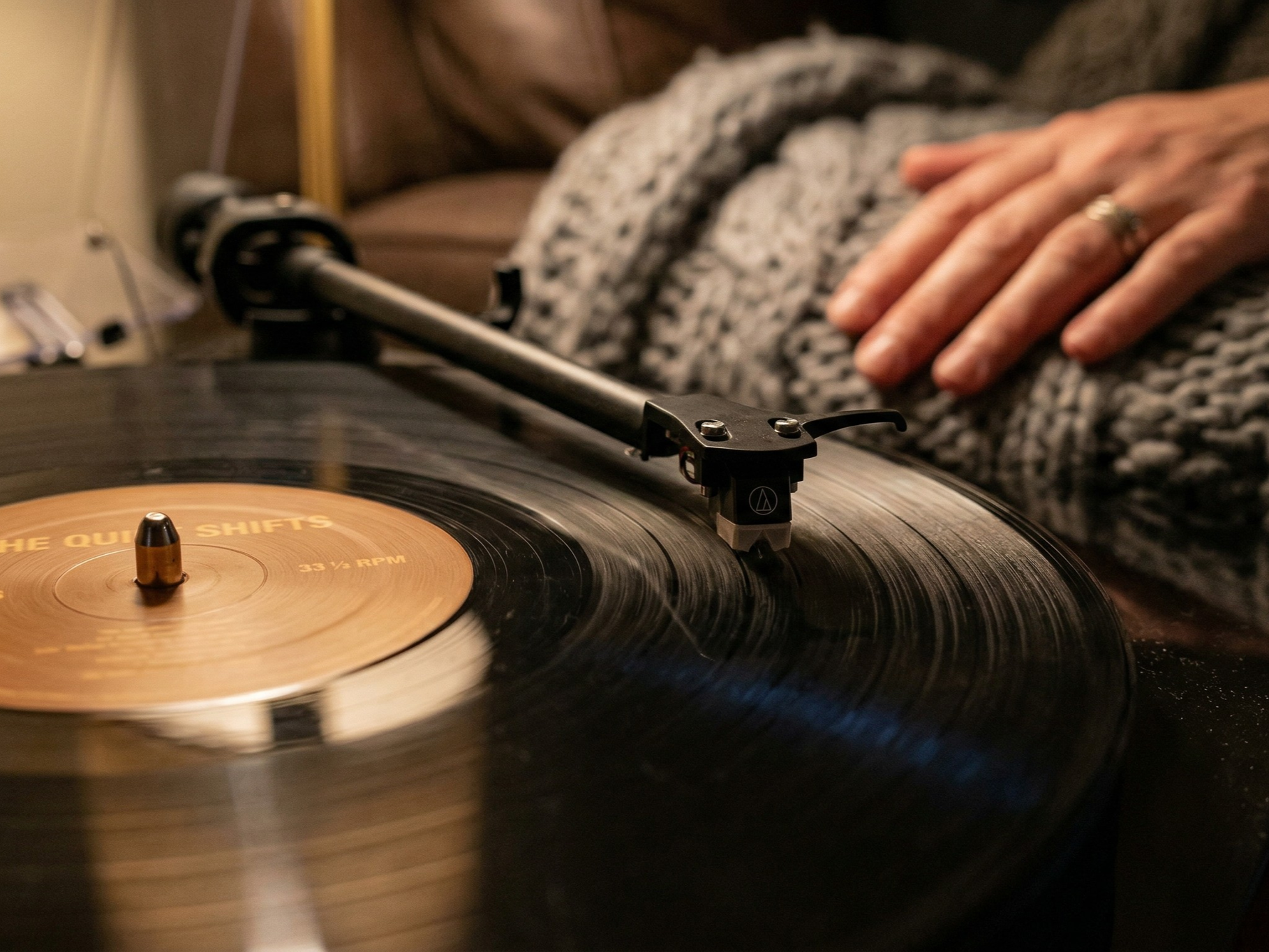
Music doesn’t need to be used perfectly—it just needs to meet you where you are.
Create a “Regulation Playlist” for Hard Moments
Songs that help you breathe, center, or soften.
Songs that feel like grounding instead of noise.
Use Rhythm to Slow Your Breathing
Soft, steady beats naturally encourage your body to shift into a calmer rhythm.
Your nervous system syncs with what feels safe.
Let Yourself Move, Hum, Sway, Cry
Your body knows what it wants to do with sound.
Let it respond.
Let it release.
Let it be free.
How Music Helps You Reconnect With Parts of Yourself You’ve Hidden
Music can bring back pieces of you that were pushed down to survive.
Songs That Remind You of Who You Are Beneath the Mask
That artist you loved before you learned to perform.
The song that brings back a forgotten softness.
The melody that feels like it belongs to the real you.
Music is a doorway; an invitation back to yourself.
Music as a Portal to Emotion, Memory, and Self-Compassion
A single chord can take you to a moment where you felt alive, hopeful, or free.
A lyric can unlock tears that needed somewhere safe to land.
A song can help you offer yourself compassion you didn’t know you had.
Music doesn’t force you to feel.
It gently invites you.
How Music and Therapy Can Work Together
Music can be a companion in healing—before sessions, after sessions, and in between.
It can help:
• regulate your nervous system
• move stuck emotion
• soothe shutdown or overstimulation
• make space for gentleness and grounding
In therapy or extended ART/EMDR sessions, music can prepare your body for emotional processing or help you settle back into yourself afterward.
Healing doesn’t have to happen only in sessions.
Sometimes it happens in your car, your shower, your headphones, your favorite playlist.
Music Is a Way Back to Yourself
Music doesn’t ask you to be anything other than who you are.
It meets you exactly where you’re at—messy, tender, exhausted, hopeful, curious, growing.
It reminds you of the parts of yourself that the world may have overlooked.
It holds your feelings without rushing you.
It gives you a place to land.
Music is more than sound.
It’s a way home.
And if you want a place to start…
A Playlist to Come Home to Yourself
If music has ever helped you feel seen, soothed, or a little more like yourself, you might love the Liberated Life Counseling Spotify Playlist. It’s a collection of my favorite songs. The ones that hold the spirit of healing, authenticity, softness, and coming home to who you really are.
These are the songs that make up the heartbeat of Liberated Life Counseling.Songs that ground you. Songs that lift you. Songs that remind you you’re not alone.
Take what you need. Let the music meet you where you are.
Disclaimer
This blog is for general educational purposes only and is not medical or mental health advice. Reading this does not create a therapist-client relationship. I provide therapy only to clients located in Illinois and North Carolina at the time of service. If you are in crisis, call or text 988 (Suicide & Crisis Lifeline) or dial your local emergency number right away.
